Ready to make a change?
Take the first step!
Requesting information requires no obligation
or commitments.
What a Physical Therapist Assistant Really Does
Physical Therapist Assistants, commonly known as PTAs, play a direct and hands on role in patient care. Working under the supervision of a licensed physical therapist, PTAs help patients improve mobility, manage pain, recover from injury, and restore functional movement. Their work is essential in rehabilitation focused healthcare environments where progress depends on consistency, precision, and patient engagement.
In South Florida, PTAs support a wide range of patients, including individuals recovering from surgery, injury, neurological conditions, or chronic mobility limitations. The role combines technical skill, patient interaction, and clinical responsibility, making it well suited for individuals who prefer active, movement based healthcare careers.
The Role of a PTA Within the Healthcare Team
A Physical Therapist Assistant is part of a collaborative rehabilitation team. While the physical therapist evaluates patients and develops treatment plans, the PTA is responsible for implementing those plans during therapy sessions. This requires close communication, attention to detail, and the ability to adapt care based on patient response.
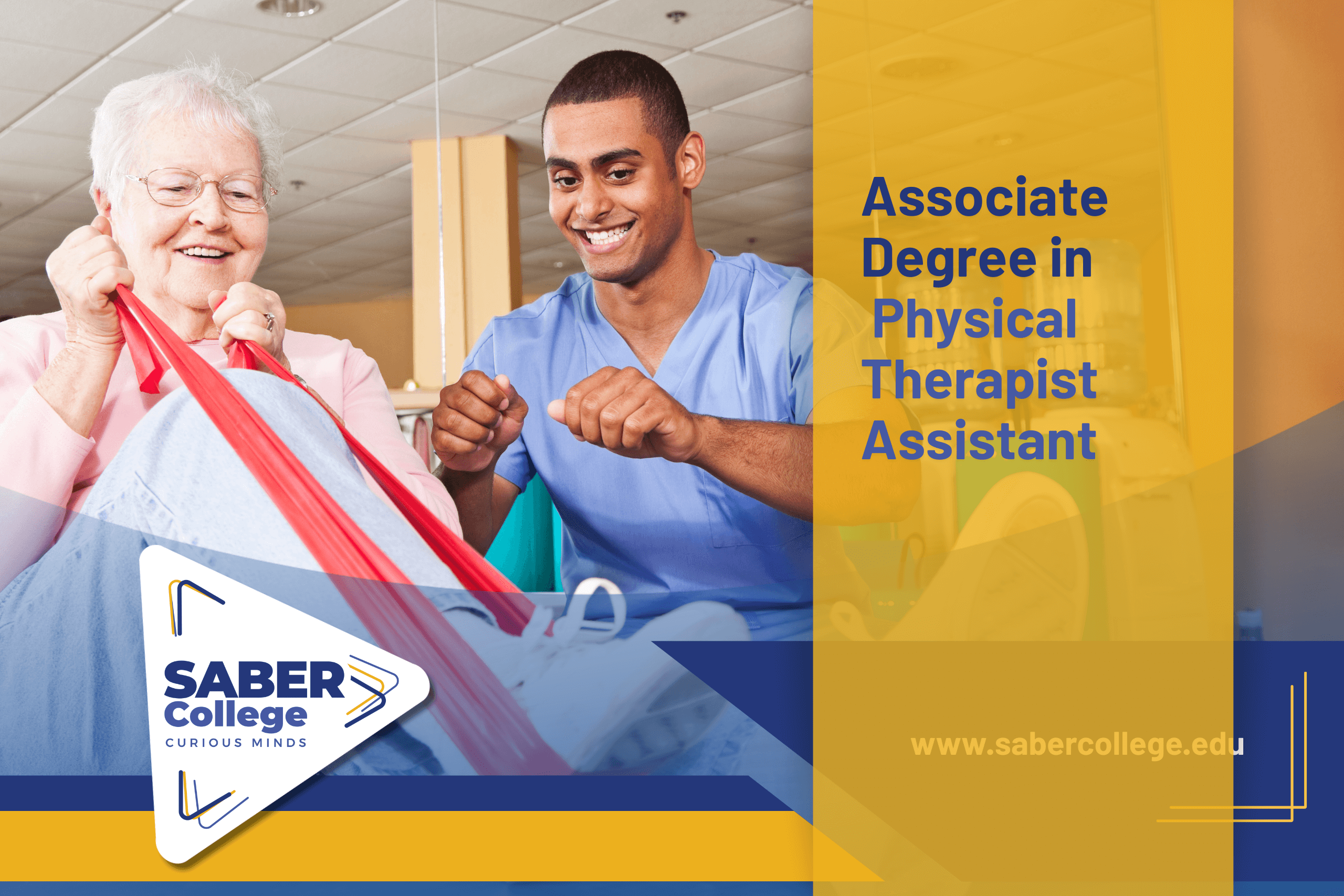
PTAs work directly with patients during therapeutic exercises, functional training, and mobility activities. They also monitor patient progress, document outcomes, and communicate observations to the supervising physical therapist.
Daily Responsibilities of a Physical Therapist Assistant
The day to day responsibilities of a PTA may include:
-
Assisting patients with therapeutic exercises and mobility activities
-
Supporting balance, strength, and coordination training
-
Preparing treatment areas and therapy equipment
-
Observing patient responses and reporting progress
-
Documenting treatment sessions accurately and consistently
The role is physically active and patient facing, requiring stamina, empathy, and clear communication.
Skills That Support Success as a PTA
Successful Physical Therapist Assistants typically demonstrate strong interpersonal skills, attention to detail, and the ability to motivate patients. Because therapy often involves gradual progress, patience and encouragement are essential.
PTAs must also follow established protocols, respect professional boundaries, and work within defined scopes of practice. Ethical responsibility and compliance with clinical standards are fundamental to the role.
Clinical Environments Where PTAs Work
Physical Therapist Assistants may work in a variety of healthcare settings, including:
-
Outpatient physical therapy clinics
-
Rehabilitation centers
-
Hospitals
-
Long term care facilities
-
Sports and orthopedic practices
These environments provide diverse clinical experiences and exposure to different patient populations.
Education and Professional Preparation
Becoming a Physical Therapist Assistant requires completion of an accredited academic program and meeting licensure requirements. PTA education emphasizes anatomy, therapeutic techniques, clinical practice, and professional conduct.
Academic preparation is designed to ensure graduates are ready to support patient care safely and effectively within rehabilitation settings.
A career as a Physical Therapist Assistant offers the opportunity to work closely with patients, contribute to functional recovery, and be part of a specialized healthcare team. For individuals who value movement, hands on care, and patient interaction, PTA represents a focused and impactful role within healthcare.
At SABER College, the Physical Therapist Assistant program is designed to provide structured academic preparation aligned with clinical expectations and professional standards.
Ready to make a change?
Take the first step!
Requesting information requires no obligation
or commitments.
